
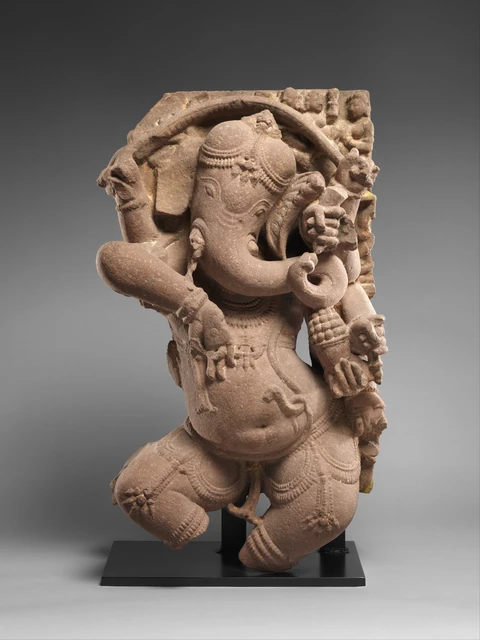
5 CONNECTED LESSONS
Ganapati ji
His family, sacred stories, Atharvashirsha and worship.
Explore this collectionHERITAGE, FAITH AND INQUIRY
Learn dharma, karma and moksha, explore the teachings of the Vedas, Upanishads and Gita, and understand Hindu philosophy through explanations and everyday examples.
5 CONNECTED LESSONS
His family, sacred stories, Atharvashirsha and worship.
Explore this collection
4 CONNECTED LESSONS
Follow Hanuman ji from his first meeting with Shri Rama to the ocean crossing, his conversation with Maa Sita and his return with news. Each lesson tells a connected episode from the Valmiki Ramayana.
Explore this collection
4 CONNECTED LESSONS
Learn with Nachiketa, Shvetaketu, Maitreyi and Gargi. Follow their questions, the answers they receive and the examples that make difficult ideas accessible.
Explore this collection3 LESSONS
Learn dharma and karma, explore the teachings of the scriptures, and understand philosophy and yoga.
Follow this series →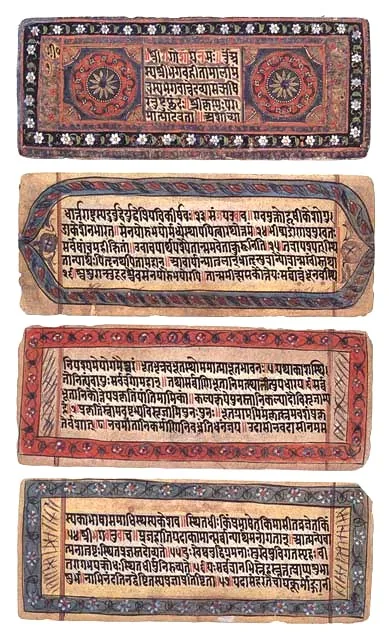
4 LESSONS
Study action, devotion, self-inquiry and the eight limbs through named passages and reflection.
Follow this series →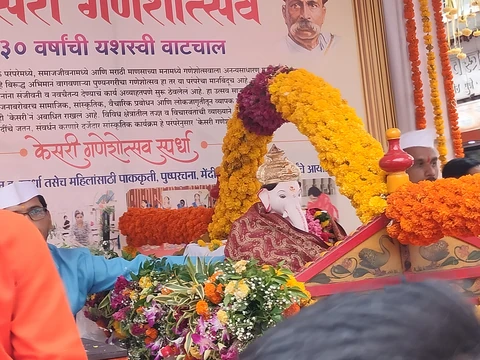
4 LESSONS
Follow decisions in the epics, regional celebrations and the meaning of temple worship.
Follow this series →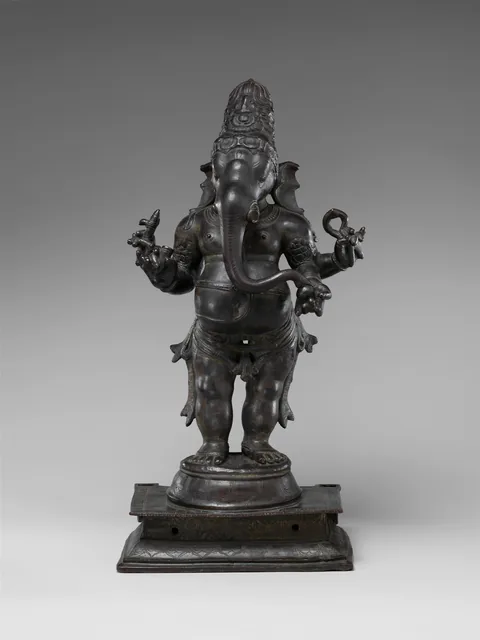
4 LESSONS
Understand Ganesha ji, Bhagwan Shiva, Bhagwan Vishnu and Devi through iconography, scripture and worked reflections.
Follow this series →
3 LESSONS
Learn the meaning of home worship, read a Marathi aarti and understand how festival dates are determined.
Follow this series →5 LESSONS
Begin with Ganapati ji’s names and family, follow two complete Shiva Purana stories, then explore the Atharvashirsha and Ganesh Chaturthi.
Follow this series →4 LESSONS
Follow the first meeting with Shri Rama, the ocean crossing, Maa Sita’s message and Hanuman ji’s return through four complete episodes.
Follow this series →4 LESSONS
Study Nachiketa, Shvetaketu, Maitreyi and Gargi through the course of their dialogues, with worked reasoning and answers.
Follow this series →Guides 1–24 of 30
Hinduism
BeginnerLearn how a single tradition can hold the stillness of a yogi and the movement of a cosmic dancer, then read the Nataraja image one feature at a time.
Learning outcome: Explain the drum, flame, raised foot and gesture of reassurance in Nataraja, and separate devotional symbolism from a scientific claim.
Read the guide →Hinduism
BeginnerUnderstand Bhagwan Vishnu’s attributes, the idea of avatara and how Shri Rama and Shri Krishna invite different but connected questions about responsibility and devotion.
Learning outcome: Recognise Bhagwan Vishnu’s iconography, explain avatara and compare a duty-based decision with devotion expressed through an offering.
Read the guide →Hinduism
BeginnerStudy the meaning of Shakti, recognise Mahishasuramardini and understand how worship of the Divine Mother takes different forms across communities.
Learning outcome: Explain Shakti in its religious sense, identify Maa Durga’s image, and plan a respectful festival visit or home reflection.
Read the guide →Hinduism
IntermediateThe Mahabharata examines duty through loyalty, ambition, injustice, compassion and the cost of victory.
Learning outcome: Reconstruct the reasoning of three epic decisions, distinguish explanation from excuse, and use a clear process for examining an everyday ethical dilemma.
Read the guide →Hinduism
IntermediateThe Ramayana teaches through decisions that affect families, kingdoms, allies and people seeking protection.
Learning outcome: Analyse three leadership decisions in named Ramayana passages and apply their reasoning to an ordinary responsibility without treating an epic kingdom as a modern institution.
Read the guide →Hinduism
IntermediateFollow the hymn’s movement from personal salutation to the ground of existence, a pledge of truthful speech, protection for learning, mantra and compassionate divine form.
Learning outcome: Explain the hymn’s structure, distinguish Brahman from Bhagwan Brahma, and practise a careful reading of truth, protection and meditation.
Read the guide →Hinduism
BeginnerRead the family narrative of Shiva Purana, Kumara-khanda 19–20: two beloved brothers, a difficult test, Ganapati ji’s thoughtful response and the consequences that follow.
Learning outcome: Explain Ganapati ji’s reasoning, identify the family members named by this text and discuss wise action without belittling either brother.
Read the guide →Hinduism
BeginnerMeet Ganapati ji through a complete first lesson: Maa Parvati’s son, the lord of the ganas, a wise brother, an object of meditation and the beloved presence welcomed at Ganesh Chaturthi.
Learning outcome: Retell the main narrative, explain six names, recognise textual attributes, and connect worship with gratitude and wise action.
Read the guide →Hinduism
BeginnerUnderstand the festival as a sequence of care: welcoming Ganapati ji, attending to the murti, singing, offering and sharing food, and carrying remembrance beyond visarjan.
Learning outcome: Explain the festival’s main actions and terms, connect them to Ganapati ji’s sacred narrative and design a thoughtful optional participation plan.
Read the guide →Hinduism
IntermediateFollow Gargi Vachaknavi’s two interventions in Brihadaranyaka 3.6 and 3.8.
Learning outcome: Separate the two interventions, explain the change in Gargi’s questioning, and distinguish akasha from akshara while following the negative and positive descriptions of the Imperishable.
Read the guide →Hinduism
BeginnerTravel through Sundara Kanda’s opening sarga, where an immense leap becomes a lesson in gratitude, ingenuity, courage and attention to the entrusted work.
Learning outcome: Retell the three encounters accurately, explain their different motives and responses, and apply discernment without turning every obstacle into an enemy.
Read the guide →Hinduism
BeginnerEnter the Ashoka grove and follow the patient conversation through which fear gives way to recognition, hope and a message that must reach Shri Rama.
Learning outcome: Explain how recognition develops, retell the ring and chudamani exchange, and understand the importance of listening to Maa Sita’s reasoning and message.
Read the guide →Hinduism
BeginnerFollow Hanuman ji from Sugriva’s anxious refuge to the fire that witnesses a new friendship, and discover how learning, tact and compassionate listening become service.
Learning outcome: Retell the first meeting in sequence; explain Shri Rama’s praise of Hanuman ji’s speech, Shri Lakshmana’s role and the practical obligations of the alliance.
Read the guide →Hinduism
BeginnerFollow the return from Lanka to the waiting vanaras and Shri Rama, learning why the remembered words, the chudamani and the next responsibility matter as much as the crossing.
Learning outcome: Distinguish brief news from a full report, explain the chudamani’s effect on Shri Rama and connect courage with listening, accountability and the next useful action.
Read the guide →Hinduism
BeginnerA festival can join worship, remembered sacred events, seasonal work, food, art and hospitality.
Learning outcome: Explain the sequence and meaning of three observances, identify regional examples accurately and plan a thoughtful contribution to a family or community celebration.
Read the guide →Hinduism
BeginnerHindu philosophy asks what is real, how we know it and how a person becomes free.
Learning outcome: Distinguish the six darshanas and three major Vedanta positions, explain all eight limbs of yoga, and connect action, knowledge and devotion to a practical responsibility.
Read the guide →Hinduism
BeginnerWhat makes an action right? What continues when the body changes? What is a life well lived? Hindu traditions connect these questions with worship, family responsibilities, learning and service.
Learning outcome: Explain six foundational terms, distinguish the four aims of life, recognise major forms of devotion, and apply dharma and responsible action to an everyday decision.
Read the guide →Hinduism
BeginnerLearn the five components of a panchang, why a tithi is not a midnight-to-midnight date and how to read a festival listing without confusing it with a universal holiday.
Learning outcome: Interpret a published daily entry, convert a time beyond 24 hours and distinguish a regional festival from an employment holiday.
Read the guide →Hinduism
IntermediateHow can work become a spiritual discipline when its outcome remains uncertain? The Bhagavad Gita develops an answer through duty, offering, concern for others and the character of the person acting.
Learning outcome: Explain yajna and lokasangraha, distinguish nonattachment from carelessness, and apply the Gita's account of action and the agent to an ordinary responsibility.
Read the guide →Hinduism
IntermediateThe Bhagavad Gita joins inquiry about the self with a loving relationship to Shri Krishna.
Learning outcome: Explain three connections between knowledge and devotion, interpret a sequence from chapter 12, and design a practice that joins worship with ethical attention.
Read the guide →Hinduism
BeginnerFollow the sacred narrative across Shiva Purana, Kumara-khanda 13–18: a mother creates and trusts her son, conflict spreads, and peace comes with restored life and recognised dignity.
Learning outcome: Retell the six-stage narrative and discuss trust, escalation, repair and recognition through its actual scenes.
Read the guide →Hinduism
IntermediateFollow Katha Upanishad 1.1–1.3 from a troubled gift to Yama Deva’s teaching about the deathless Self.
Learning outcome: Explain every boon, reconstruct Nachiketa’s refusal of substitutes, and map the chariot accurately while relating it to Yama Deva’s larger teaching.
Read the guide →Hinduism
BeginnerUnderstand offering, attention and hospitality in worship, then choose a short practice that fits your home.
Learning outcome: Explain an offering, distinguish puja from aarti and design an optional, manageable home practice.
Read the guide →Hinduism
BeginnerRead a familiar Marathi aarti slowly: understand its opening words, the repeated refrain and its imagery of Ganesha ji before joining the singing.
Learning outcome: Explain the opening and refrain, recognise devotional imagery and use a verified text while allowing for pronunciation differences.
Read the guide →No matching guide. Try another word, subject or level, or reset the filters.
Learn through explanations, worked examples and questions with answers. Sources support the lessons and offer a route into deeper study.
Our editorial approach Photograph credits


