
3 LESSONS
Understand the country and its institutions
Read the map, understand public life and learn to check data.
Follow this series →KNOWLEDGE ROOTED IN INDIA
Understand India through its geography, institutions, heritage, science and everyday public services. Start with a question or follow a guided reading path.
3 LESSONS
Read the map, understand public life and learn to check data.
Follow this series →
6 LESSONS
Connect heritage and scientific inquiry with the places around you.
Follow this series →
3 LESSONS
Learn where to begin, what to check and how to use official information.
Follow this series →3 LESSONS
Learn to read a temple plan, follow musical structure and connect devotional poetry with its languages and communities.
Follow this series →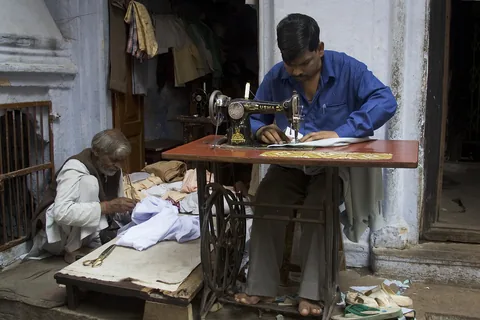
3 LESSONS
Explore inscriptions, maritime exchange and handloom through the evidence left by writing, travel and skilled making.
Follow this series →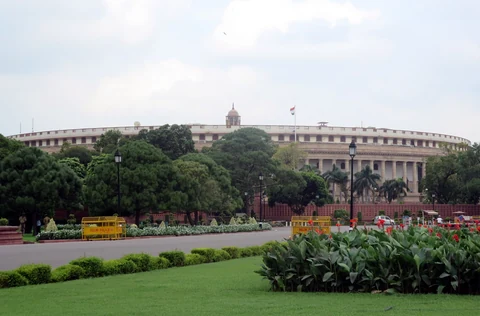
4 LESSONS
Follow the making of a law, local responsibilities, public budgets and electoral representation.
Follow this series →Guides 1–22 of 22
Heritage, arts & material culture
IntermediateDevotional poetry can make a philosophical relationship feel immediate: a speaker calls, waits, complains, remembers or surrenders.
Learning outcome: Analyse a devotional image, distinguish speaker from historical author, and explain how performance can create shared memory without assuming identical beliefs.
Read the guide →Public services
BeginnerA document wallet, a service gateway and a scheme finder solve different problems.
Learning outcome: Choose the right platform for a task, distinguish issued documents from uploaded scans and prepare an application with a usable record.
Read the guide →Science & evidence
BeginnerWhen prices rise, production grows or a national average changes, the numbers describe different things.
Learning outcome: Calculate value added and simple inflation, distinguish nominal from real growth and explain why averages can hide differences.
Read the guide →Institutions & public life
BeginnerUnderstanding an election begins with the office being filled, the voting system and the correct electoral roll.
Learning outcome: Distinguish parliamentary, assembly and local representation; interpret a fictional election result; and prepare a safe checklist for finding current official voter information.
Read the guide →Institutions & public life
BeginnerA headline may say that a Bill was introduced, passed, or became law.
Learning outcome: Trace a fictional Bill, distinguish passage from commencement, and explain why every Bill involving money is not a Money Bill.
Read the guide →Country & citizenship
BeginnerIndia’s mountains, plains, plateaus and coasts help explain where rivers flow, why rainfall differs and how settlements develop.
Learning outcome: Explain a rain shadow, trace a river basin and distinguish a physical region from a state.
Read the guide →Heritage, arts & material culture
IntermediateA woven cloth preserves decisions made before and during weaving: fibre choice, yarn preparation, colour placement, tension and interlacement.
Learning outcome: Explain a loom’s basic actions, draw a plain-weave repeat, distinguish ikat from surface printing and connect technique to cultural context.
Read the guide →Culture & heritage
BeginnerHeritage is knowledge inherited through buildings, objects, skills and shared practices.
Learning outcome: Explain how four Indian heritage sites solved practical or spiritual needs, and distinguish a material object from the skill that produces it.
Read the guide →Culture & heritage
BeginnerLanguage carries conversation, poetry, work, prayer and memory.
Learning outcome: Distinguish language, script and translation, and explain how cultural knowledge is passed between generations.
Read the guide →Heritage, arts & material culture
IntermediateA listener need not identify every raga to hear musical decisions.
Learning outcome: Explain why a raga exceeds its scale, count teental accurately, and distinguish tempo, note density and rhythmic position.
Read the guide →Heritage, arts & material culture
IntermediateA maritime route is more than a line between two ports.
Learning outcome: Explain a monsoon-dependent trading cycle, reconstruct a port’s connections and test what a cargo or artefact can establish.
Read the guide →Science & evidence
BeginnerA space mission turns a scientific question into instruments, measurements and explanations.
Learning outcome: Match a scientific question to an instrument and distinguish remote sensing from a measurement made at the site.
Read the guide →Heritage, arts & material culture
IntermediateA temple can be read as an arrangement of spaces, a structure assembled or carved by skilled workers, and a place carrying sacred meanings.
Learning outcome: Interpret a simple temple plan, compare sanctum towers and gateways, and support a stylistic judgment with several visible features.
Read the guide →Country & citizenship
BeginnerThe Constitution explains where public power comes from, how it is divided and what limits it.
Learning outcome: Explain the roles of Parliament, government and courts, and identify a sensible first route for a local civic problem.
Read the guide →Science & evidence
BeginnerA forest is more than a collection of trees.
Learning outcome: Explain a food web and habitat connection, interpret the 2023 forest-cover figures and choose a conservation action suited to a local ecosystem.
Read the guide →Country & citizenship
BeginnerThe flag, State Emblem and constitutional values connect public life to India’s history.
Learning outcome: Describe the flag accurately, identify the origin of the State Emblem and apply constitutional values to a community activity.
Read the guide →Heritage, arts & material culture
IntermediateA few words cut into stone can preserve a donor’s name, a royal order or a claim about a repaired reservoir.
Learning outcome: Read a model inscription in layers, distinguish regnal dates from calendar dates, and assess a royal claim without discarding its historical value.
Read the guide →Institutions & public life
BeginnerA broken streetlight or blocked drain raises two questions: who is responsible, and what evidence helps them act? Learn the structure of local government and a practical way to trace a service.
Learning outcome: Distinguish a Gram Sabha from a Gram Panchayat, map a service responsibility, and prepare a factual request without promising a guaranteed result.
Read the guide →Places & people
BeginnerWestern India connects coastal trade, plateau landscapes, water engineering, sacred art and public movements.
Learning outcome: Connect regional geography to water and settlement, explain selected heritage examples and compare a craft tradition with a public movement.
Read the guide →Public services
BeginnerLiving outside India, holding Indian citizenship and having Indian ancestry are different things.
Learning outcome: Distinguish citizenship, residence and OCI status, and choose the right official route for travel or consular help.
Read the guide →Institutions & public life
IntermediateA large allocation is a useful starting point, but it does not tell you what was spent or what changed for people.
Learning outcome: Calculate a budget change, distinguish BE, RE and Actuals, and turn a spending claim into a fair, specific question.
Read the guide →Public services
BeginnerIndia is too varied to plan as one uniform destination.
Learning outcome: Build a realistic regional itinerary and explain how climate, access, cultural etiquette and spending choices affect the visit.
Read the guide →No matching guide. Try another word, subject or level, or reset the filters.
Learn through explanations, worked examples and questions with answers. Sources support the lessons and offer a route into deeper study.
Our editorial approach Photograph credits

