
FREE LEARNING SERIES
Deities: forms, stories and daily life
Understand Ganesha, Shiva, Vishnu and Devi through iconography, scripture and worked reflections.
4 lessons · Learn at your own pace
Begin the first lesson →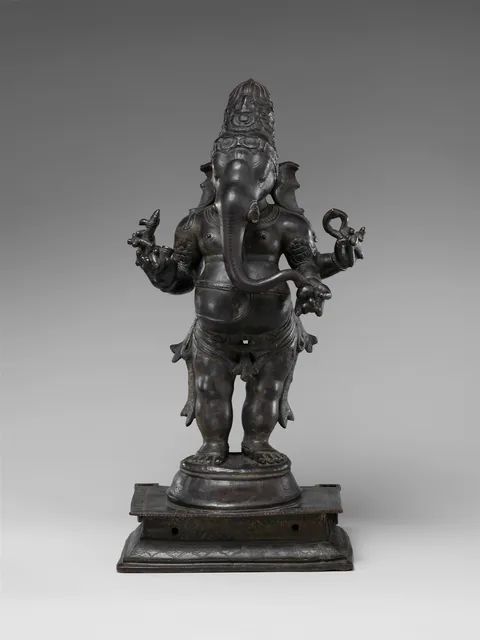
Learn, practise, explain
Try the exercise before reading its explanation. Answer the self-check questions in your own words, then compare your reasoning with the answers. Revisit any difficult section before moving on. No account or payment is needed.
- 01
Ganesha: beginnings, symbols and thoughtful worship
Why is Ganesha remembered at a beginning? Learn to recognise his forms, connect devotion with preparation, and understand how household worship relates to a living temple tradition.
Learning outcome: Identify Ganesha’s attributes, distinguish an object’s history from its devotional meaning, and design a simple, optional beginning practice.
Open lesson → - 02
Shiva: Nataraja, stillness and transformation
Learn how a single tradition can hold the stillness of a yogi and the movement of a cosmic dancer, then read the Nataraja image one feature at a time.
Learning outcome: Explain the drum, flame, raised foot and gesture of reassurance in Nataraja, and separate devotional symbolism from a scientific claim.
Open lesson → - 03
Vishnu, Rama and Krishna: sustaining dharma
Understand Vishnu’s attributes, the idea of avatara and how Rama and Krishna invite different but connected questions about responsibility and devotion.
Learning outcome: Recognise Vishnu’s iconography, explain avatara and compare a duty-based decision with devotion expressed through an offering.
Open lesson → - 04
Devi, Durga and Shakti: strength, care and Navaratri
Study the meaning of Shakti, recognise Mahishasuramardini and understand how worship of the Divine Mother takes different forms across communities.
Learning outcome: Explain Shakti in its religious sense, identify Durga’s image, and plan a respectful festival visit or home reflection.
Open lesson →