

4 LESSONS
Education, literature and public life
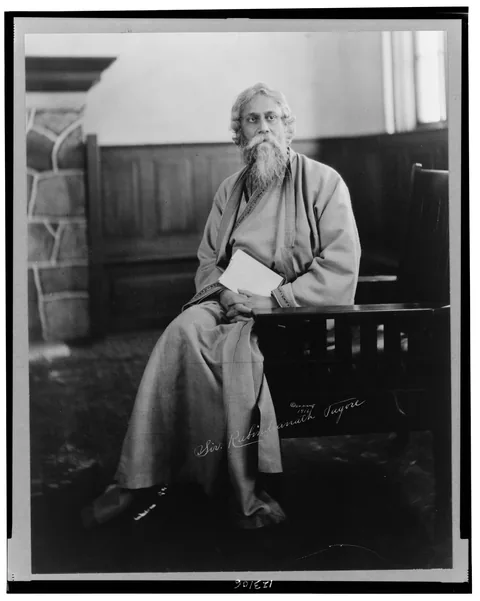
Learn through Savitribai Phule, Ambedkar, Tagore and Sarojini Naidu: access, rights, imagination and collective action.
Follow this series →PEOPLE, IDEAS AND CONTRIBUTION
Meet educators, writers, reformers and scientists through their lives and the ideas they developed. Follow the milestones, work through an example, and connect their contributions with questions today.
4 LESSONS
Learn through Savitribai Phule, Ambedkar, Tagore and Sarojini Naidu: access, rights, imagination and collective action.
Follow this series →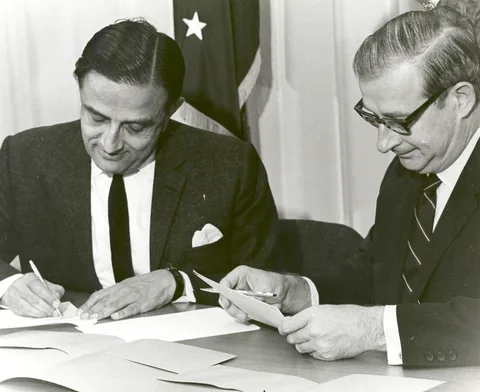
4 LESSONS
Understand the work of Raman, Janaki Ammal, Ramanujan and Sarabhai through light, plants, numbers and space.
Follow this series →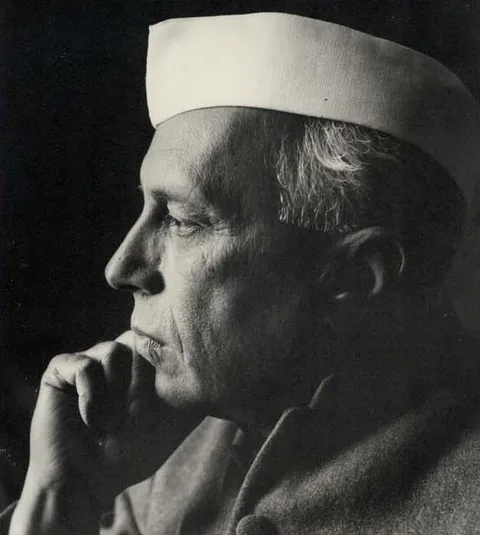
2 LESSONS
Study institutions, integration and competing interpretations of leadership through two connected lives.
Follow this series →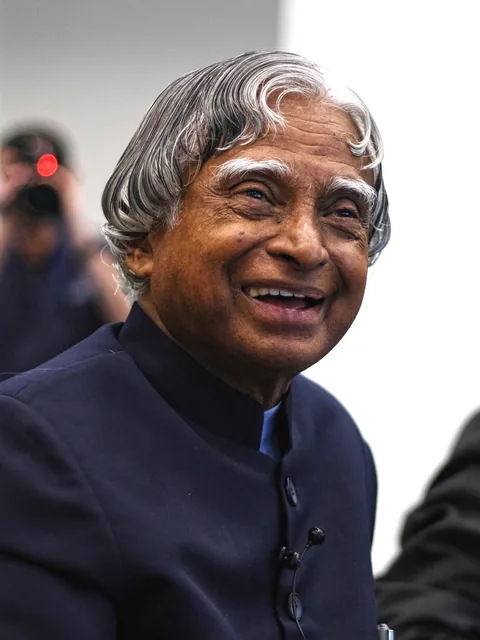
2 LESSONS
Connect Aryabhata’s calculation methods with Kalam’s engineering lessons across very different eras.
Follow this series →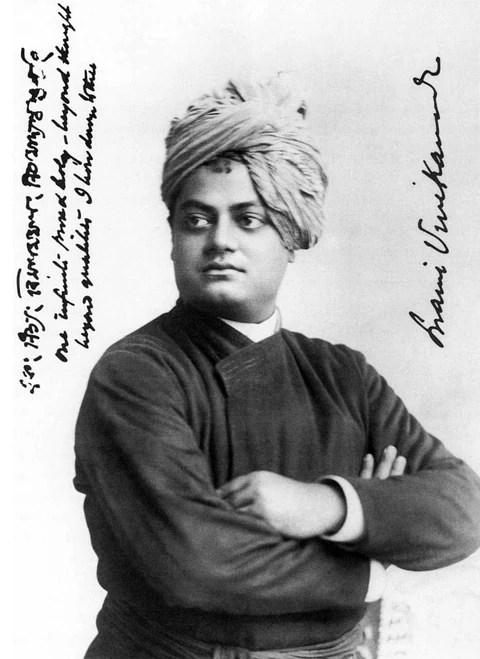
2 LESSONS
Learn about Ramanuja and Swami Vivekananda through their writings, work and distinct historical settings. Compare ideas with examples and reflection.
Follow this series →Guides 1–14 of 14
Indian biographies
BeginnerGo beyond motivational quotations: follow Kalam’s work through a real launch programme, the discipline of learning from failure and his engagement with young people.
Learning outcome: Explain the difference between a rocket and an orbit, compare two SLV-3 outcomes and design a small evidence-based improvement cycle.
Read the guide →Indian biographies
IntermediateLearn about an early Indian mathematical astronomer by doing mathematics: follow a sine-table idea, solve a remainder problem and distinguish a documented contribution from a sweeping claim.
Learning outcome: Explain what a sine table does, solve a simple remainder equation and describe a historical contribution without overstating it.
Read the guide →Indian biographies
IntermediateBhimrao Ramji Ambedkar connected scholarship with organised struggles against caste exclusion and with the design of democratic institutions.
Learning outcome: Distinguish voting from the wider practice of democracy, explain why rights need remedies, and evaluate a rule using both its wording and its effects.
Read the guide →Indian biographies
IntermediateRaman’s achievement becomes clearer when we understand the measurement behind it.
Learning outcome: Explain the effect with a simple energy account, distinguish an observation from an interpretation, and understand why controls and collaborators matter.
Read the guide →Indian biographies
IntermediateBotany connects cells with crops, landscapes and human knowledge.
Learning outcome: Explain chromosome sets using a paper model, distinguish a count from a complete biological explanation, and evaluate the limits of a plant observation record.
Read the guide →Indian biographies
IntermediateMeet India’s first prime minister through the problems his generation faced, the choices it made and the arguments those choices continue to invite.
Learning outcome: Build a short chronology, compare arguments about planning and non-alignment, and assess one policy without turning biography into party loyalty.
Read the guide →Indian biographies
BeginnerTagore joined imaginative writing with practical experiments in education.
Learning outcome: Interpret one literary image with evidence, distinguish a text from its translation, and design a small activity that joins observation with expression.
Read the guide →Indian biographies
IntermediateExplore Ramanuja’s places, major writings and account of how real selves and the world belong to Brahman, then examine devotion and surrender through practical examples.
Learning outcome: Explain qualified nonduality, identify the limits of the body–Self analogy, and distinguish responsible surrender from abandoning duties.
Read the guide →Indian biographies
BeginnerA poet can shape how people imagine a place; an organiser can help people act together.
Learning outcome: Explain how poetic voice works, assess a public claim, and connect literary and political milestones without assuming that one automatically caused the other.
Read the guide →Indian biographies
BeginnerSavitribai Phule helped make education a practical challenge to social exclusion.
Learning outcome: Explain how exclusion can survive an open-door policy, distinguish educational access from learning, and use evidence to assess a reformer’s contribution without reducing a movement to one person.
Read the guide →Indian biographies
IntermediateRamanujan found remarkable relationships among numbers.
Learning outcome: Calculate small partition numbers, explain one Ramanujan congruence in words, and distinguish examples, counterexamples and proof.
Read the guide →Indian biographies
BeginnerFollow Vivekananda from spiritual apprenticeship to public teaching, then work through his ideas about confidence, education, religious acceptance and service.
Learning outcome: Trace the journey from Ramakrishna’s disciple to international teacher, explain his educational ideas, and apply them to an everyday learning or service task.
Read the guide →Indian biographies
IntermediateLearn why political integration after independence was a practical problem, how Patel helped address it and how to weigh unity alongside consent and rights.
Learning outcome: Explain accession, distinguish unity from uniformity and compare state-building arguments with questions about consent.
Read the guide →Indian biographies
IntermediateA research programme needs more than an ambitious idea.
Learning outcome: Explain a satellite communication chain, distinguish a technical output from a learning outcome, and assign historical credit without confusing plans with later results.
Read the guide →No matching guide. Try another word, subject or level, or reset the filters.
Learn through explanations, worked examples and questions with answers. Sources support the lessons and offer a route into deeper study.
Our editorial approach Photograph credits


