
The core idea
Patel was independent India’s first home minister and deputy prime minister, and a central figure in integrating princely states. Understanding that contribution requires attention to negotiation, administrative work and difficult uses of state power. Respect for his achievement can coexist with close examination of how integration affected different people.
A leader within a collective movement
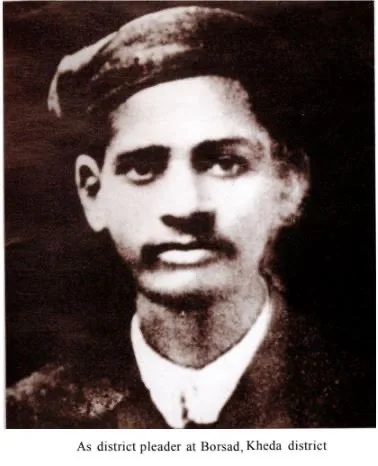
Vallabhbhai Patel lived from 1875 to 1950. A Congress leader associated with Gandhi’s movement, he became home minister and deputy prime minister after independence. He also worked in important Constituent Assembly committees. The title “Iron Man” expresses admiration for resolve, but a useful biography asks what that resolve accomplished and through which institutions. Public work depends on colleagues, officials and citizens; recognising a prominent leader need not erase their participation.

What had to be integrated?
British India and princely states did not have identical political arrangements. When colonial rule ended, the relationship of the princely states with the new Union required settlement. Accession was a formal agreement, not just changing the colour of a map. It concerned authority, territory and the future political order. Patel’s integration work therefore involved negotiation and the construction of a functioning Union. Thinking of it as a single speech or a single military act misses the scale of the administrative task.
Difficult cases need their own histories
Junagadh and Hyderabad did not follow an identical route. NCERT describes a plebiscite in Junagadh and military intervention in Hyderabad in September 1948. These differences matter. A history of integration should ask about the ruler’s position, popular movements, negotiations and the consequences of force in each case. A map at the end is an important outcome, but it is not the complete experience of the people who lived through the change.
Unity, consent and competing political readings
A national-integration or right-leaning reading may emphasise security, decisive administration and the risk of fragmentation. A left-leaning or rights-centred reading may ask whose political voice counted and whether social inequalities survived a change of ruler. These are lenses for evaluating the record, not statements that everyone on either side agrees. They can overlap: a person can support a united republic and still demand accountability. Assess the actual argument rather than dismissing it because of a political label.
Worked example: unity is not uniformity
Imagine several student societies forming a common council. Shared rules for money and elections can make cooperation possible, while different societies keep their languages and activities. If one group controls every decision, the council may be united on paper but distrusted in practice. This is an analogy, not a model of the exact 1947 settlement. It helps separate two questions: which powers must be shared, and which differences can remain? Political integration is strengthened by institutions people can use, not only by declarations.
Study a legacy without turning it into a rivalry
Patel and Nehru worked in the same early government. Evaluating one need not require imagining the other out of history. Where their views differed, the useful task is to identify the issue, date and evidence rather than assume a permanent division on every question. Ask what later admirers select from Patel’s record and what they leave out. Apply the same standard to critics. A fair account can value firmness and still ask whether a specific exercise of authority was justified.
PUT IT INTO PRACTICE
Work through an example
- Define accession in one sentence without using only a map metaphor.
- Compare Junagadh and Hyderabad: identify one documented difference.
- Write a judgment using both unity and consent as criteria.
Check your understanding
What offices did Patel hold?
Home minister and deputy prime minister in independent India.
Was every accession identical?
No. Different states involved different negotiations, popular pressures and outcomes.
Does unity require every cultural practice to be identical?
No. Shared institutions can coexist with cultural diversity.
Can admiration include difficult questions?
Yes. Evidence-based scrutiny makes appreciation more informed.