
The core idea
Chapter 12 describes devotion through focused remembrance, graded forms of practice and a character marked by compassion, steadiness and freedom from possessiveness.
Read the comparison Arjuna actually asks
At 12.1 Arjuna asks about devotees who worship Krishna and those who contemplate the imperishable, unmanifest reality. The question follows the universal-form encounter, so it concerns how a seeker should direct sustained worship, not a detached opinion poll about preferred religious images. Krishna’s answer praises the devotion directed to Him. Keep both sides of Arjuna’s question in view before selecting one sentence as the entire chapter’s teaching.
Sources: Bhagavad Gita 12:1: BBT VedaBase, A. C. Bhaktivedanta Swami Prabhupada ↗
Difficulty does not mean that no path exists
Verses 12.3–5 acknowledge the unmanifest orientation while describing its difficulty for embodied seekers. The contrast should therefore not be retold as though Krishna had simply denied the existence of every other approach. The cited Vaishnava commentary recommends personal devotion and explains why it is approachable. Identify that interpretive standpoint when using its explanation, and distinguish a recommendation to a learner from a claim that all traditions use identical philosophical language.
Sources: Bhagavad Gita 12:5: BBT VedaBase, A. C. Bhaktivedanta Swami Prabhupada ↗
Follow the alternatives rather than inventing a score
Verses 12.8–11 move from fixing mind and understanding on Krishna to repeated practice, action for Him and relinquishing the fruits of action. Each alternative addresses what to do when the preceding direction cannot yet be sustained. The text offers a way forward rather than inviting a learner to announce failure after one distracted attempt. The sequence is not a modern points system: it describes spiritual orientations, and a brief checklist cannot certify someone’s attainment.
Sources: Bhagavad Gita 12:9: BBT VedaBase, A. C. Bhaktivedanta Swami Prabhupada ↗ · Bhagavad Gita 12: BBT VedaBase, A. C. Bhaktivedanta Swami Prabhupada ↗
Read the claim about peace with its sequence
Verse 12.12 brings practice, knowledge, meditation and relinquishment of fruits into a compact comparison, ending with peace. Read it after the practical alternatives rather than isolating the words about renunciation from everything before them. The concern with the result of action links this chapter back to the Gita’s earlier teaching about acting without possessiveness. A learner can ask what attachment is being loosened without pretending that thinking about peace is already the full discipline.
Sources: Bhagavad Gita 12:12: BBT VedaBase, A. C. Bhaktivedanta Swami Prabhupada ↗
The portrait of devotion includes conduct
Verses 12.13–20 describe the devotee through qualities rather than outward display alone. The opening pair joins friendliness, compassion, forgiveness, steadiness and dedication of mind and understanding to the Lord. These are presented together; a person cannot replace all of them with being impressive at a ceremony. Read the portrait as a direction for self-examination, not as a licence to grade someone else’s hidden relationship with God from a single encounter.
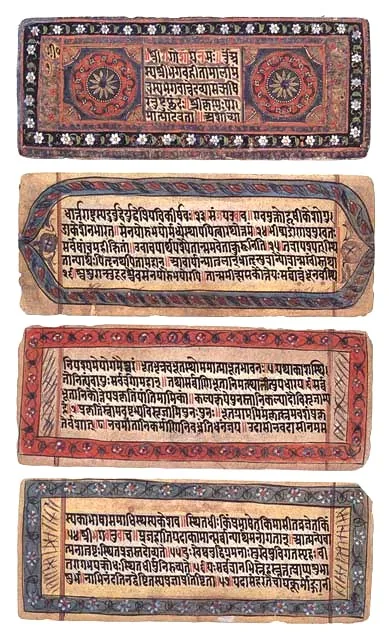

Sources: Bhagavad Gita 12:13-14: BBT VedaBase, A. C. Bhaktivedanta Swami Prabhupada ↗ · Bhagavad Gita 12: BBT VedaBase, A. C. Bhaktivedanta Swami Prabhupada ↗
Worked example: continuing after distraction
Original learning example: Nila plans a short devotional reading but loses attention repeatedly. She concludes that practice is pointless. A study partner asks her to read 12.8–11 in order and choose a manageable next action. Nila begins again with a brief passage, notices the distraction and returns without making a spiritual score. Later, she helps a classmate patiently rather than boasting about her record. The example connects perseverance with conduct. It does not prescribe a ritual or claim that a completed reading automatically produces the devotee’s qualities.
PUT IT INTO PRACTICE
Make a chapter reading map
- Write Arjuna’s question, then distinguish Krishna’s praise of devotion from the description of difficulty in 12.5.
- Map the alternatives in 12.8–11 without assigning spiritual scores to yourself or others.
- Choose one quality from 12.13–14. Write a practical self-reflection and label it as your application.
Check your understanding
What makes chapter 12 more than a debate about images?
It asks how worship is sustained and then explains practice, action, relinquishment and the devotee’s character.
Does finding concentration difficult end the instruction?
No. The alternatives in 12.8–11 address difficulty and give further ways to proceed.
Why should 12.12 be read after those alternatives?
Its compact comparison belongs to that discussion. Removing it can make relinquishment sound unrelated to practice and devotion.
Can one completed practice prove compassion or devotion?
No. The closing portrait gives enduring qualities for self-examination, not an automatic certificate for one completed task.